Septic Tank Pump Out Mackay: Why Grease Trap Cleaning Matters Just As Much
If you run a cafe, restaurant or commercial kitchen, chances are you already have a septic tank pump out in Mackay sorted. However, what often gets overlooked is the grease trap sitting right alongside it. Neglecting it can cause just as many headaches as a septic tank left too long between pump outs.
Septic Pump Outs & Grease Traps: Two Jobs, One Local Team
Commercial kitchens in Mackay typically run two separate wastewater systems that both need scheduled servicing: the septic tank handling general wastewater, and the grease trap intercepting fats, oils and grease (FOG) from the kitchen before it reaches the sewer or septic line. They're different pieces of equipment doing different jobs, but they're closely connected – and Mackay Septic Pumping services both.
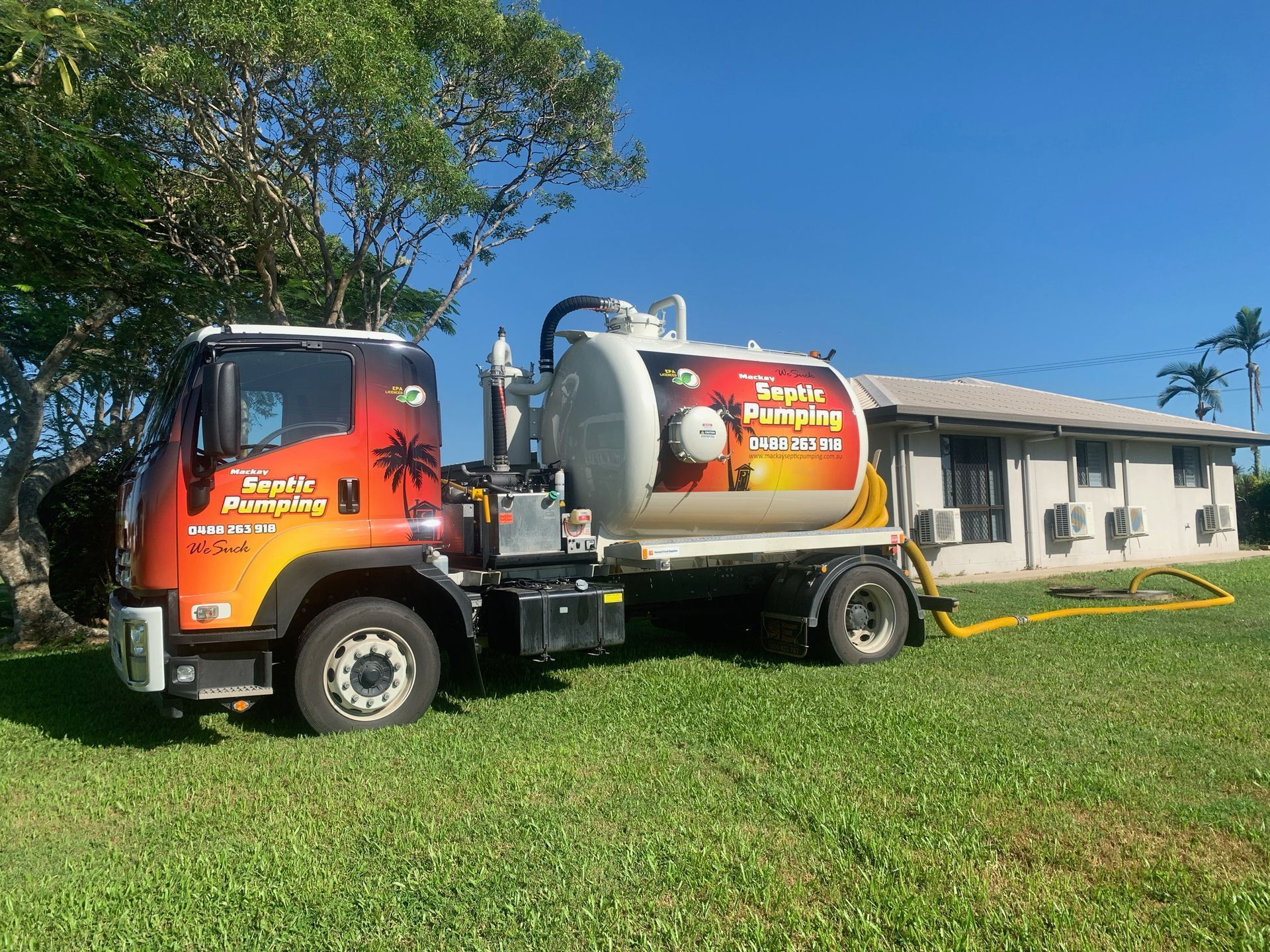
Whether it's a septic tank or a grease trap, septic tank pumping Mackay businesses trust starts with the right equipment and licensing to handle commercial waste properly. Booking both services with one local provider also means one less thing to coordinate when you're already juggling a busy kitchen roster.
What Is a Grease Trap & How Does It Work?
A grease trap is a plumbing device installed between your kitchen's sinks and dishwashers and the main wastewater line. As warm, greasy water flows through it, the trap slows the water down long enough for fats, oils and grease to cool, separate and float to the top, while solids settle at the bottom. The comparatively cleaner water continues out through the outlet pipe.
Without this step, FOG would travel straight into the sewer or septic system, where it cools, hardens and builds up on the inside of pipes. Over time that buildup narrows the pipe diameter, slows drainage and eventually causes blockages – often at the worst possible moment, like a Friday dinner service.
Why Grease Traps Need Regular Cleaning
A grease trap only works as well as its available capacity. Once the trap fills with accumulated grease and solids, incoming wastewater has less room to separate properly and untreated FOG starts passing straight through into the pipework downstream.
For a busy Mackay kitchen, that build-up happens faster than most owners expect. A trap that's overdue for cleaning tends to show warning signs early: slow-draining sinks, a persistent sour or rancid smell near the kitchen drains or wastewater backing up during peak service. Catching these signs early – and scheduling cleaning before they appear – is far cheaper than dealing with an emergency blockage mid-shift.
How Often Should a Grease Trap Be Cleaned?
There's no single answer that suits every kitchen. According to industry best practice, cleaning frequency depends largely on trap size, kitchen volume and how much fried or fatty food moves through the menu. A high-turnover restaurant frying food daily will generally need a much tighter cleaning schedule than a small cafe serving mostly coffee and light meals.
Rather than guessing, the safest approach is to have your grease trap assessed and put on a servicing schedule that matches your actual usage. Mackay's food and beverage scene includes everything from quiet suburban cafes to high-volume tourist-season venues, so a cleaning interval that works for one kitchen down the road may not suit yours at all.
What Mackay Commercial Kitchens Need to Keep in Mind
Commercial kitchens in Queensland generally operate under food safety and trade waste obligations that cover how wastewater and grease are managed on site, though specific requirements can vary depending on your council area and the nature of your business. It's worth checking directly with your local council or Queensland Health for guidance that applies to your specific premises.
What's consistent across the board is that grease trap maintenance isn't optional extra housekeeping – it's part of running a compliant, functional kitchen. Kitchens gearing up for the Whitsundays tourist season, in particular, often find their FOG output spikes well beyond their usual baseline, which is exactly when an overdue trap becomes a real liability.
The Link Between Grease Traps & Your Wider Wastewater System
If your kitchen sits on a property with a septic system rather than mains sewer, the connection between your grease trap and your septic tank is even more direct. A poorly maintained grease trap sends more FOG and solids into the septic tank than it's designed to handle, which speeds up sludge build-up and shortens the interval between pump outs.
Just like septic waste, grease trap waste has to be disposed of responsibly, which we cover in our guide on responsible waste disposal. Treating the two systems as connected – rather than servicing one and forgetting the other – is the difference between a wastewater system that runs quietly in the background and one that keeps causing disruptions.
Booking Grease Trap Cleaning & Septic Pump Outs Together
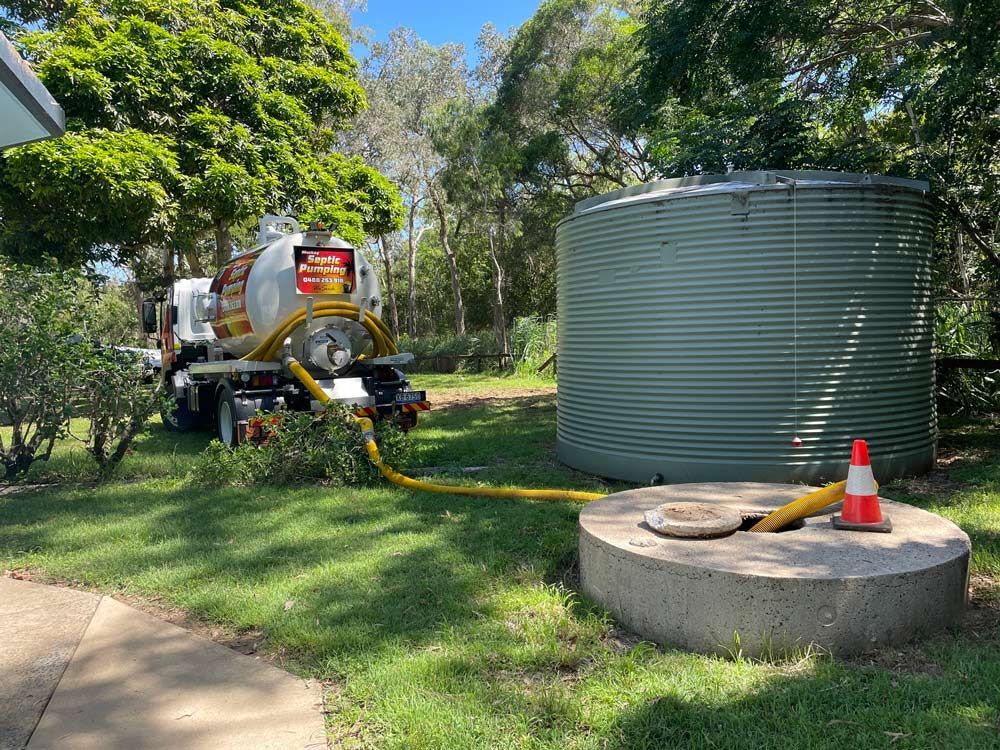
For kitchen owners managing both a grease trap and a septic system, the simplest approach is coordinating both services with the same provider on a schedule that suits your kitchen's actual output. We regularly service cafes and restaurants needing septic pumping Airlie Beach businesses depend on through the peak tourist season, alongside grease trap cleaning for the same venues.
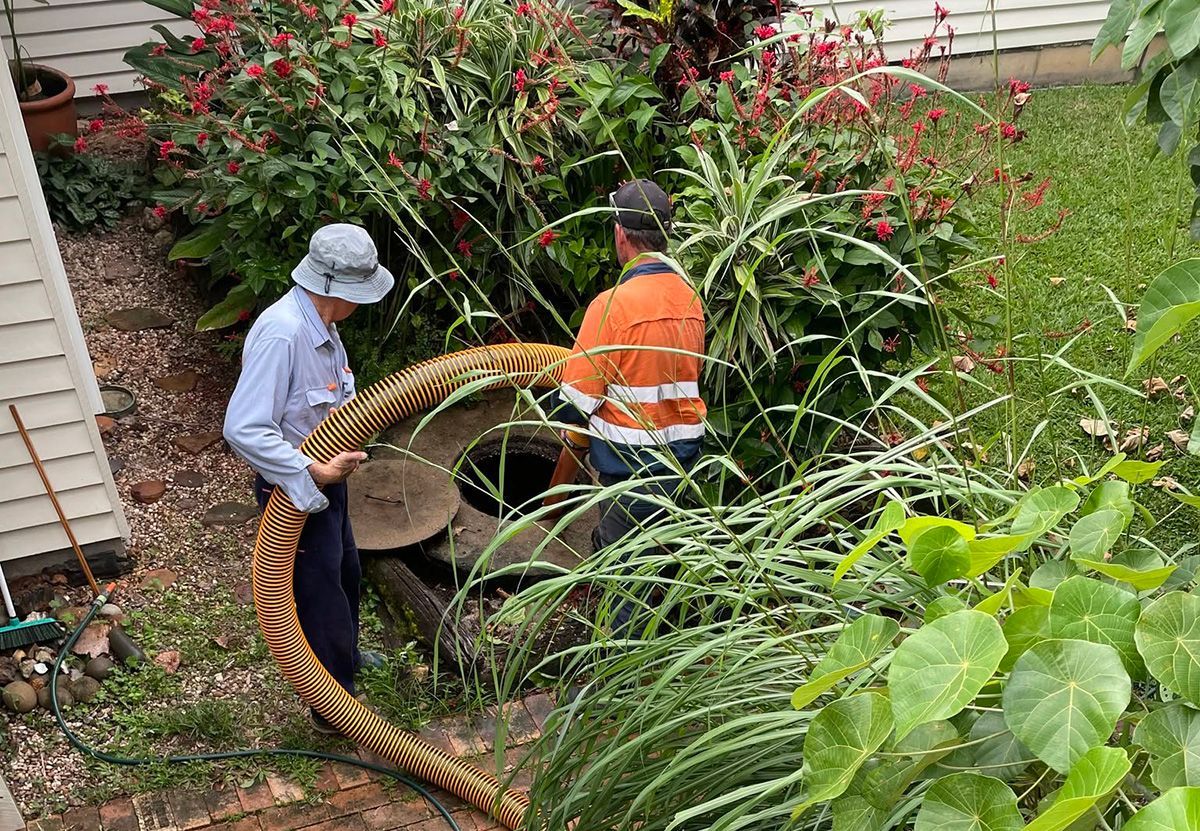
If you've never booked a pump out before, here's what happens during a pump out from start to finish. Getting both services on a proactive schedule, rather than waiting for a blockage or bad smell to force the issue, is the most reliable way to keep your kitchen running without interruption.
Contact Mackay Septic Pumping to learn more today.
Frequently Asked Questions