How Tank Size And Property Use Influence Septic Pump Out Planning
Septic systems in Mackay work hard. Heat, soil type and water use all play a part. Yet one factor stands out above the rest. There is no single pump out schedule that suits every property. Tank size and how the property is used will shape the right timing.
Understanding these basics helps avoid overflows, odours and system strain. It also supports better planning and cost control over time.
Why Pump Out Timing Matters
A septic tank separates solids from wastewater. Over time, sludge builds at the bottom. Scum forms at the top. If these layers grow too thick, the system cannot treat waste properly.
Delayed pump outs can lead to:
- Blocked pipes and slow drainage
- Unpleasant smells around the property
- Waste backing up into toilets or drains
- Damage to the absorption area
- Higher repair costs
Regular pump out keeps the system balanced. It protects both the tank and the surrounding land.
Tank Size Sets the Baseline
The size of your septic tank is the starting point for planning. Larger tanks hold more waste before they need attention. Smaller tanks fill faster and need more frequent pump outs.
Typical Tank Size Ranges
In Mackay, common tank sizes include:
- 3,000 to 4,500 litres for smaller homes
- 4,500 to 6,000 litres for standard family homes
- 6,000 litres and above for larger properties or higher demand sites
A larger tank does not remove the need for regular pump out. It only extends the interval between visits.
How Size Affects Frequency
As a general guide:
- Small tanks may need pump out every 2 to 3 years
- Medium tanks often fall within a 3 to 5 year cycle
- Large tanks can extend beyond 5 years if usage is moderate
These ranges are not fixed. They shift based on how the property is used.
Property Use Drives Real Demand
Tank size sets the limit. Property use determines how fast that limit is reached. In Mackay, usage patterns vary widely across homes, worksites and rural properties.
Residential Use
Household demand depends on daily habits and occupancy.
Key factors include:
- Number of people living in the home
- Water usage from showers, laundry and dishwashers
- Use of garbage disposal units
- Frequency of guests or extended stays
A four person household will fill a tank much faster than a single occupant. High water use pushes more solids into the tank, which speeds up sludge build up.
Commercial and High Use Sites
Non-residential properties often place heavier demand on septic systems. These sites may require far more frequent pump out planning.
Examples include:
- Offices with regular staff use
- Hospitality venues with kitchens and restrooms
- Accommodation sites with changing occupancy
- Industrial or rural work sites
These properties generate higher wastewater volumes. They also introduce fats, oils and other materials that can increase sludge levels.
Seasonal and Variable Use
Some Mackay properties see changing demand across the year.
This includes:
- Holiday homes
- Short term accommodation
- Seasonal work camps
- Rural properties with peak activity periods
During high use periods, tanks can fill quickly. Planning should reflect these spikes rather than relying on average use alone.
Matching Tank Size to Usage Patterns
Effective pump out planning comes from combining both factors. Tank size and usage must be assessed together.
Key Planning Steps
- Identify tank capacity
- Confirm the size of the septic tank in litres.
- Assess occupancy or usage levels
- Count regular users and note any peak periods.
- Review water habits
- Look at laundry loads, shower length and appliance use.
- Track past pump out intervals
- Previous timing gives a useful benchmark.
- Adjust based on changes
- New occupants, renovations or business growth will shift demand.
This approach leads to a realistic schedule. It avoids guesswork and reduces risk.
Signs Your Pump Out Timing Needs Adjustment
Even with a plan in place, conditions can change. It is important to recognise early signs that the schedule may need review.
Watch for:
- Slower draining sinks or showers
- Gurgling sounds in pipes
- Strong odours near the tank or drains
- Wet patches or pooling water above the system
- Toilets that struggle to flush properly
These signs suggest the tank may be nearing capacity. Acting early helps prevent system failure.
Mackay Conditions Add Extra Pressure
Local conditions in Mackay can influence septic performance. Warm temperatures speed up bacterial activity, but they can also increase odour if the system is overloaded.
Soil type also plays a role. Poor drainage can place extra strain on the system, especially during heavy rain.
Because of this, pump out planning in Mackay should be proactive rather than reactive. Waiting for visible issues often means the tank is already under stress.
Practical Guidelines for Property Owners
A clear, simple approach works best. Use these guidelines to stay on track.
Set a Baseline Schedule
- Start with a standard interval based on tank size
- Adjust for occupancy and usage levels
- Mark the next expected pump out date
Monitor System Performance
- Check for early warning signs every few months
- Keep an eye on drainage speed and odours
Keep Records
- Note each pump out date
- Record any issues or unusual usage periods
Plan for Change
- Increase frequency if occupancy rises
- Review after renovations or new installations
This level of planning supports long term system health. It also helps avoid sudden disruptions.
The Role of Regular Pump Out in System Lifespan
A well maintained septic system can last for decades. Regular pump out plays a key role in that lifespan.
Without it, sludge builds up and enters areas it should not. This can damage pipes and the absorption field. Repairs can be costly and disruptive.
With consistent planning:
- The tank operates as designed
- Waste is processed more efficiently
- The surrounding soil remains stable
- Long term costs are reduced
This makes pump out planning a core part of property management in Mackay.
Plan Ahead with Local Knowledge
Every property is different. Tank size, usage and local conditions all interact. A tailored approach delivers better results than a fixed schedule.
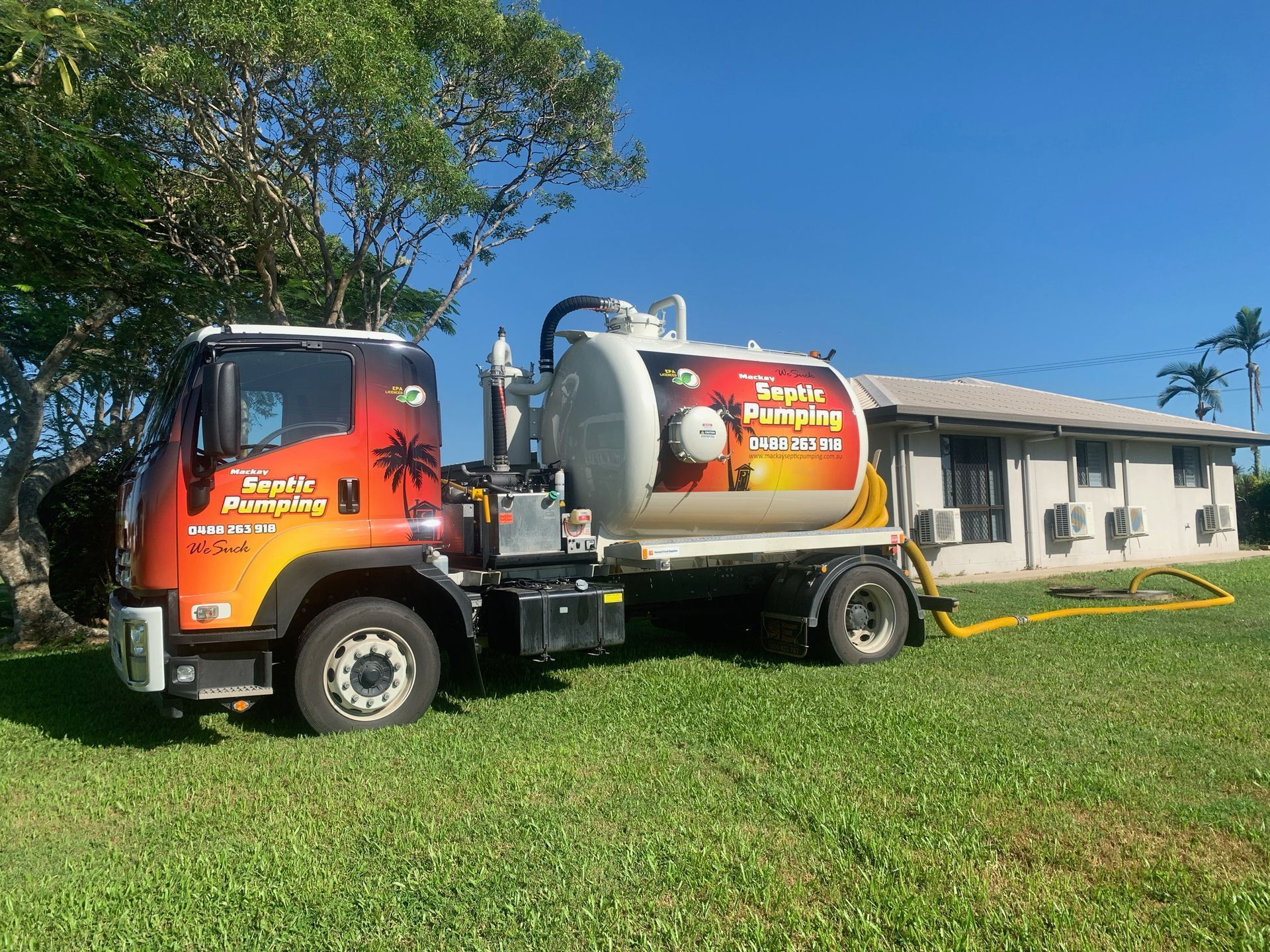
For reliable septic tank pump out Mackay property owners can depend on, it is important to work with a team that understands local conditions and usage patterns.
Book Your Next Pump Out
If your system is due, or showing signs of strain, now is the time to act. Proper timing prevents costly issues and keeps everything running smoothly.
Contact Mackay Septic Pumping to organise a pump out suited to your tank size and property use. Clear planning today helps protect your system for years to come.